
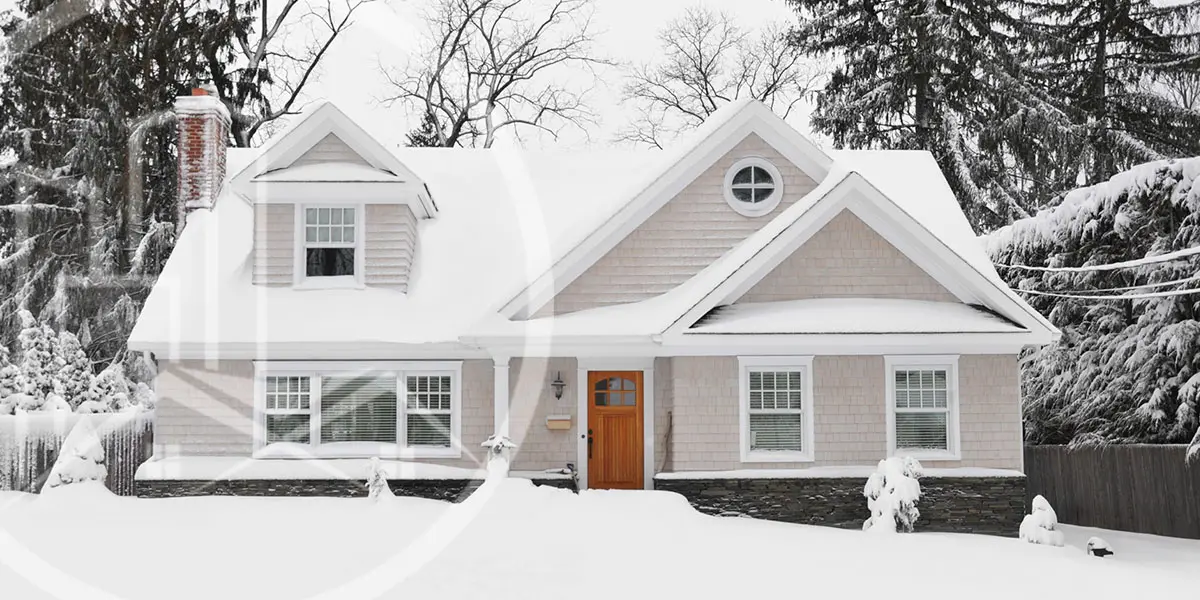
In Rhode Island, winter storms are a common occurrence, often bringing snow, ice and strong winds. Lack of preparedness can leave your home vulnerable to everything from burst pipes and roof damage to power outages and icy driveways. More than the safety and structure of your home, winter storms threaten the small comforts you rely on daily, your security and peace of mind.
Adequate preparation is the best way to keep your home safe from the extreme winter elements. This guide outlines essential tips for preparing your house for blizzards and other winter storms.
Why Preparation Is Critical for Rhode Island Homeowners
Winter storms can be dangerous and costly, causing significant damage and posing safety hazards. Preparing for them should be nonnegotiable. The following are some reasons why preparation is critical for this event:
- Protecting property: In the wake of a winter storm, there can be a range of property damage, including collapsed roofs, structural stress and extensive water damage. Winter storm preparation protects your property by mitigating the associated risks.
- Maintaining safety: Winter storms pose several safety hazards, such as icy walkways that increase the risk of falls, fallen power lines and carbon monoxide risks from improper heating. With adequate preparation and plans, you can maintain your safety and that of your family.
- Preventing financial loss: From fixing burst pipes to replacing roofs, repairing damage from winter storms can be costly. Preparedness helps prevent the need for expensive repairs, thereby reducing financial loss.
- Ensuring comfort and well-being: Winter storms often create conditions that can cause discomfort and distress. For example, power outages can leave you without heat in freezing temperatures. When you’re prepared for the storm, you can keep your home comfortable until things return to normal.

Tips for Preparing Your Home for Winter Storms
Preparing your home for winter storms involves proactive steps and thoughtful planning to ensure it is safe and protected from damage. It requires foresight and proactive measures to help you weather the storm with minimal risks. Let’s explore some vital tips for storm-proofing your home.
1. Prepare for Power Outages
Power outages are often a by-product of severe winter storms. Since you can expect them, you should take steps to prepare for back up as they can last for extended periods. Here’s how you should prepare for power outages:
- Build an emergency kit: Include flashlights, headlamps, fresh batteries and battery-powered radios. Candles pose fire risks, so you shouldn’t include them.
- Prepare heating alternatives: During winter storms, temperatures often drop rapidly and remain persistently low for long periods. If the power goes out and primary heating fails, you need alternative heating solutions to maintain livable temperatures. Some heating alternatives to explore include nonelectric heaters and woodburning stoves. A fireplace can also work if it’s been inspected properly.
- Install carbon monoxide detectors: Improper heating can increase the risk of carbon monoxide poisoning. Installing detectors with battery backup will help alert occupants in case of a poisoning risk.
- Protect electronics and appliances: Unplug sensitive electronics and appliances to prevent damage from sudden power surges when electricity is restored.
2. Turn off and Drain Exterior Faucets
Exterior faucets and outdoor hoses are vulnerable during winter storms. Water left in them can freeze and expand when the temperature drops. This expansion can cause the pipes to crack or, worse, burst, leading to water damage to your walls and foundation. The result is costly, but preventable, repairs. Take these steps to prevent burst pipes:
- Locate the shut-off valve: Depending on your home, you may find the shut-off valve in the basement, crawl space, garage, utility room or near the street. Locate it and turn it off.
- Disconnect and drain hoses: This prevents trapped water from freezing and expanding.
- Drain exterior faucet: Even with the shut-off valve turned off, there could still be residual water in the pipe between the interior shut-off valve and the spigot. Open the exterior faucet and run the water until there is no more in the pipe. Afterward, close the faucet tightly.
3. Trim Vegetation
Overgrown trees, branches and shrubs can become serious hazards during a winter storm. They are susceptible to the strong winds, heavy snow and ice accumulation that come with winter storms. Left unchecked, they can break and damage your home, cars or power lines, causing power outages. Take these steps before the storm arrives to minimize risks:
- Inspect trees and shrubs: Identify dead or overhanging branches and damaged limbs, especially those hanging directly over your roof or driveway.
- Trim back branches: Prune the identified high-risk branches. You can do this yourself or hire a professional.
- Remove loose debris: Leaves and dead twigs can block drainage and pose hazards.
4. Inspect Your Chimney
If you rely on your fireplace or wood stove for warmth, it’s crucial to check that your chimney isn’t blocked or damaged. Otherwise, it can lead to carbon monoxide buildup, smoke damage and in worst cases, chimney fires. Additionally, water can seep into your attic or home if there are cracks in your chimney crown. There are two types of inspections you should carry out on your chimney:
- Exterior inspection: This inspection should be conducted from both the ground and the roof, where safe to do so. Look for visible signs of damage, such as soot stains, cracks, gaps and rust.
- Interior inspection: Inspect the firebox, fuel opening and, if applicable, the cleanout door.
While you can inspect your chimney yourself, a professional will be more thorough in identifying and rectifying severe issues.
5. Clean Your Gutters
Clogged gutters are a nightmare during winter storms — they can cause damage to your roof, siding and foundation. When debris or leaves block your gutters, water has nowhere to go, which can cause it to freeze and form ice dams at the edge of your roof. Some steps you can take to prepare your gutter for the winter storm include:
- Remove blockages: Ideally, you should clean your gutters in late fall. Remove leaves, twigs and debris.
- Direct downspouts away: Ensure downspouts are clear and direct water away from your foundation.
Immediate Steps to Take After a Winter Storm Damage
No matter how prepared you are, winter storms can still take a toll on your property. If this happens, take the following steps to protect yourself, limit further damage and contact your insurance provider.
1. Ensure Immediate Safety
First, take steps to ensure everyone in the house is safe. Check for hazards, including downed power lines, structural damage, sagging ceilings and gas smells. Take steps to keep family members and pets away from dangerous areas in the house.
2. Document Every Detail
Take extensive photos and videos documenting any damage to your home before beginning repairs or cleanups. This step is crucial for insurance claims — without detailed documentation, insurance claims can be complicated, delayed or even denied.
3. Mitigate Further Damage
The next step is to take proactive measures to prevent the damage from worsening, if it’s safe to do so. These measures may include covering broken windows, clearing snow away from the foundation and turning off the water supply in case of a burst pipe.
4. Contact a Public Insurance Adjuster and Start the Insurance Claim
To secure the most advantageous position for your claim, contact a public insurance adjuster before reaching out to your insurance provider. A public adjuster is an expert in insurance policies. They represent your interests and do everything to ensure you receive a fair and equitable settlement from your insurance company. A public insurance adjuster will thoroughly assess the damage to your property and advocate for you throughout the entire process. They represent your interests to ensure you get the best possible outcome.
With a public adjuster working in your interest, you can start the insurance claim process.

Weather the Storm With Performance Adjusting Public Insurance Adjusters
Preparing your home for winter storms is a step in the right direction. Such preparedness helps to keep your home safe and mitigate associated risks. However, if your home suffers damage, you don’t have to face the insurance company alone.
At Performance Adjusting, we work for you, not the insurance company, ensuring you get the most money for your property damage so you can build better. If your Rhode Island home suffers damage from a winter storm, contact us to speak to a representative, or call us at 401-200-4920.


